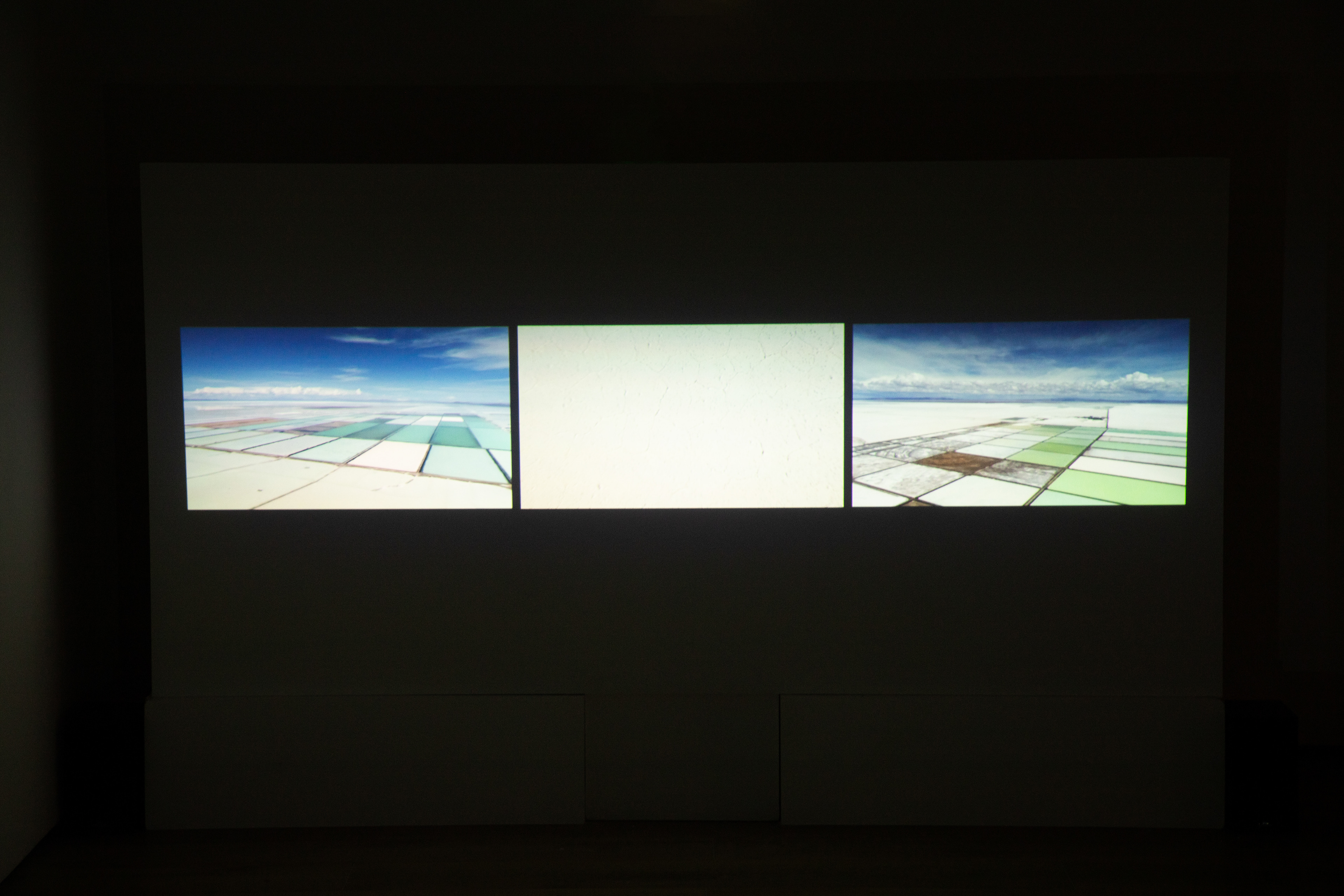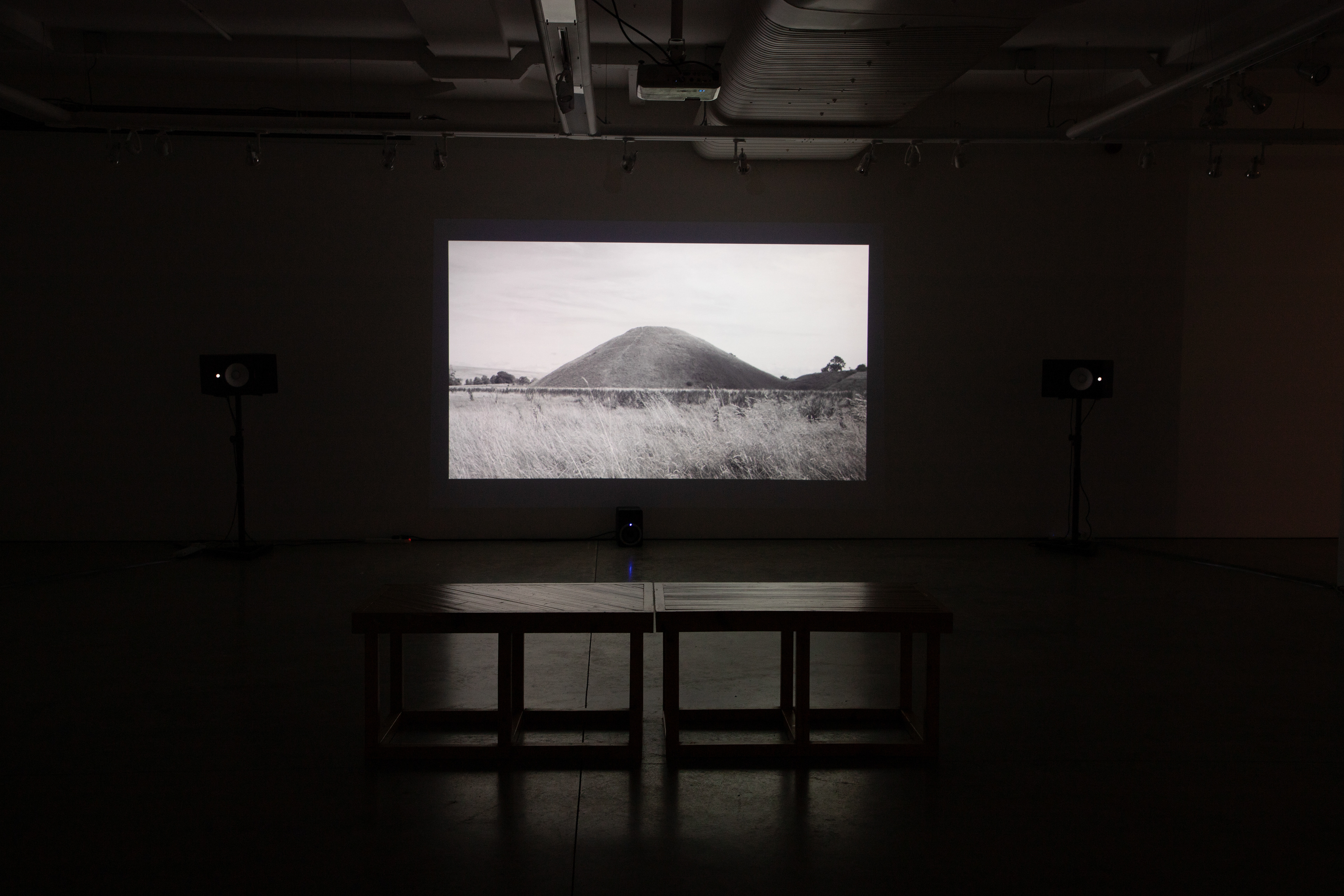
Afon (2026) HD Video, 7.1 Sound.
Follow the Guide, Follow the River.
Robert Lye’s work is, in the best sense of the term, psychedelic. But there is no multi-coloured cosmic pageant. Nor does it peddle a trite mysticism or creeping horror. Rather, it gently layers spectacle on spectacle which will place you at one remove from an easy sense of reality: with what consciousness might comprise, physically and sensorily, and what it might mean, emotionally and conceptually. Why? Because, in the best tradition of psychedelic art, Lye’s sculpture, film, audio, and installation work is about encouraging you to burrow into, and find peace within, feelings that are primordial, potentially uncomfortable, and ultimately healing.
If this sounds too grandiose or vague, Lye’s art is always also rooted in the geopolitics and biographical contingencies of place: be it the Uyuni Salt Flats of Bolivia, an other-worldly landscape from which lithium is extracted for the batteries that power our electric vehicles and appliances; or, in his new film Afon, the Cooper tire factory in Melksham on the River Avon, decommissioned in 2023, near where he grew up, and where generations of his family worked. Afon forms the crux of Lye’s current exhibition, Fog Machine, at the Gerald Moor Gallery, and is an eery yet affirming journey into grief, family history, industrial decline, and the mystery of the local.
Shot in greyscale with immersive 7.1 surround sound, the film tracks a male figure through the suburban scrubland, pathways, and industrial lots of Melksham. Wearing a donkey jacket and an impassive expression, he stares into the heat-haze of a bonfire. It crackles in our ears and makes the shot sway. We follow him from behind, camera stilled on a tripod, as he cuts a path through the fields. One repeated sequence homes in on his back at the edge of a wire fence around factory grounds. Who is this? Where is he going and why?
Two years ago, Lye lost a close family member to a stroke; he had worked at the tire factory. The film’s subtitles allude to an attempt to reach across thin veils towards the dead: “occasionally you felt close/ the air felt electric/ hissing with signals”. Are we tracking a ghost? It’s more than just that. Is this a therapeutic guide, implacable and wise, pointing us towards mastery of our deep sadness at mortality? Could we have exited our own body and be floating behind it? The textual narrative proposes a narrow passage through theconfusion: “if you look away now/ you will always look away”.
The film’s opening shots of Silbury Hill and the Cherhill White Horse combine with long, woozy aerial drone sequences of flowing river, machined fields and industrial rooftops to place all this in the recent and deep history of the place, the place where the artist grew up. The Avon flows like a balm throughout. To similar effect, in Lye’s accompanying installation piece, unspooled video-tape forms a shimmering wall fronted with laser-etchings of river water on sliver-sprayed gesso board.
“My work isn’t about making grand statements”, Robert Lye tells me. “It’s more about certain rhythms of interests. I’ve learned to trust instinct.” Follow the guide. Follow the river.
Greg Thomas
Fog Machine, Gerald Moore Gallery, 2026.
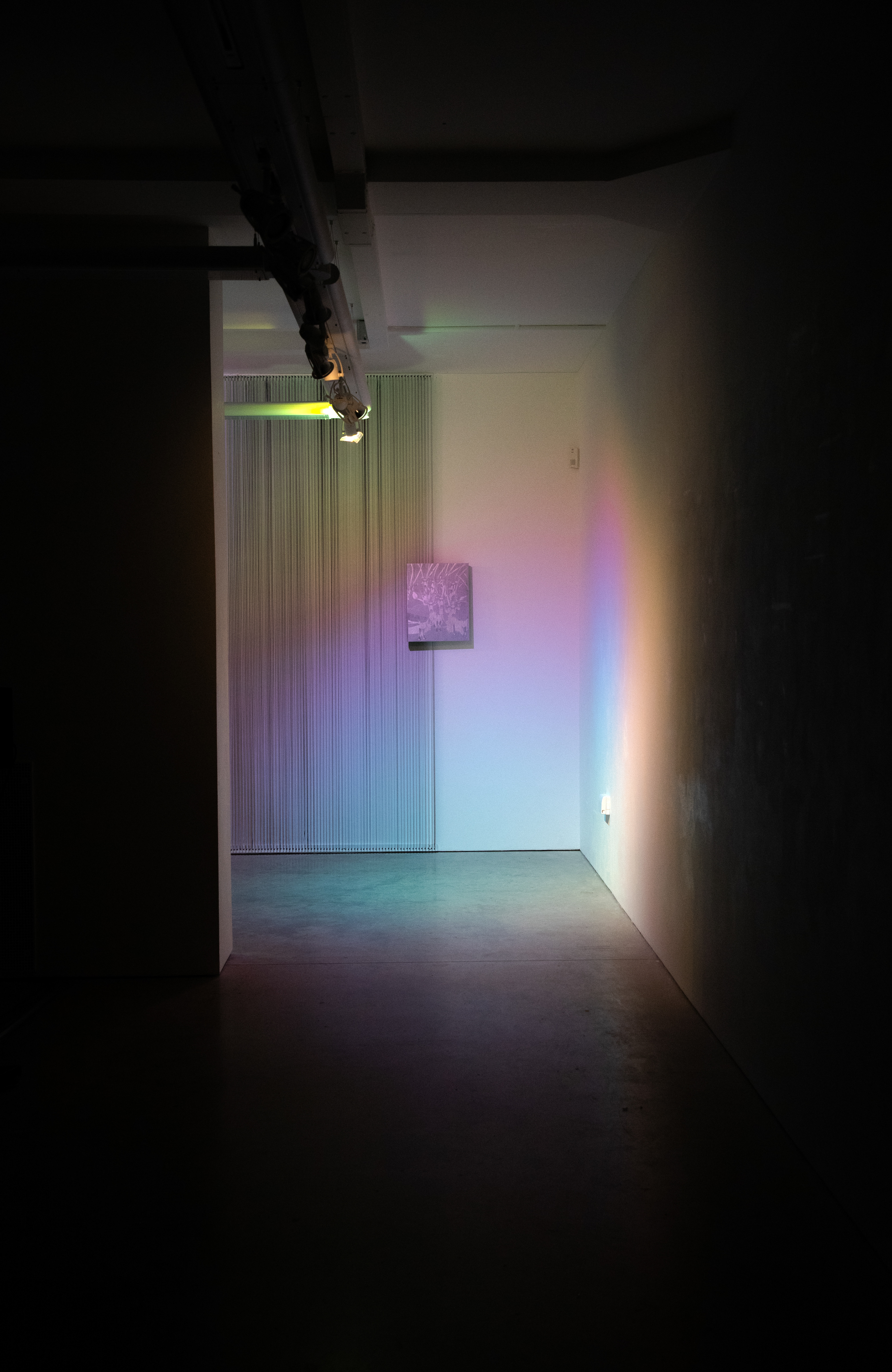
Fog Machine (i)
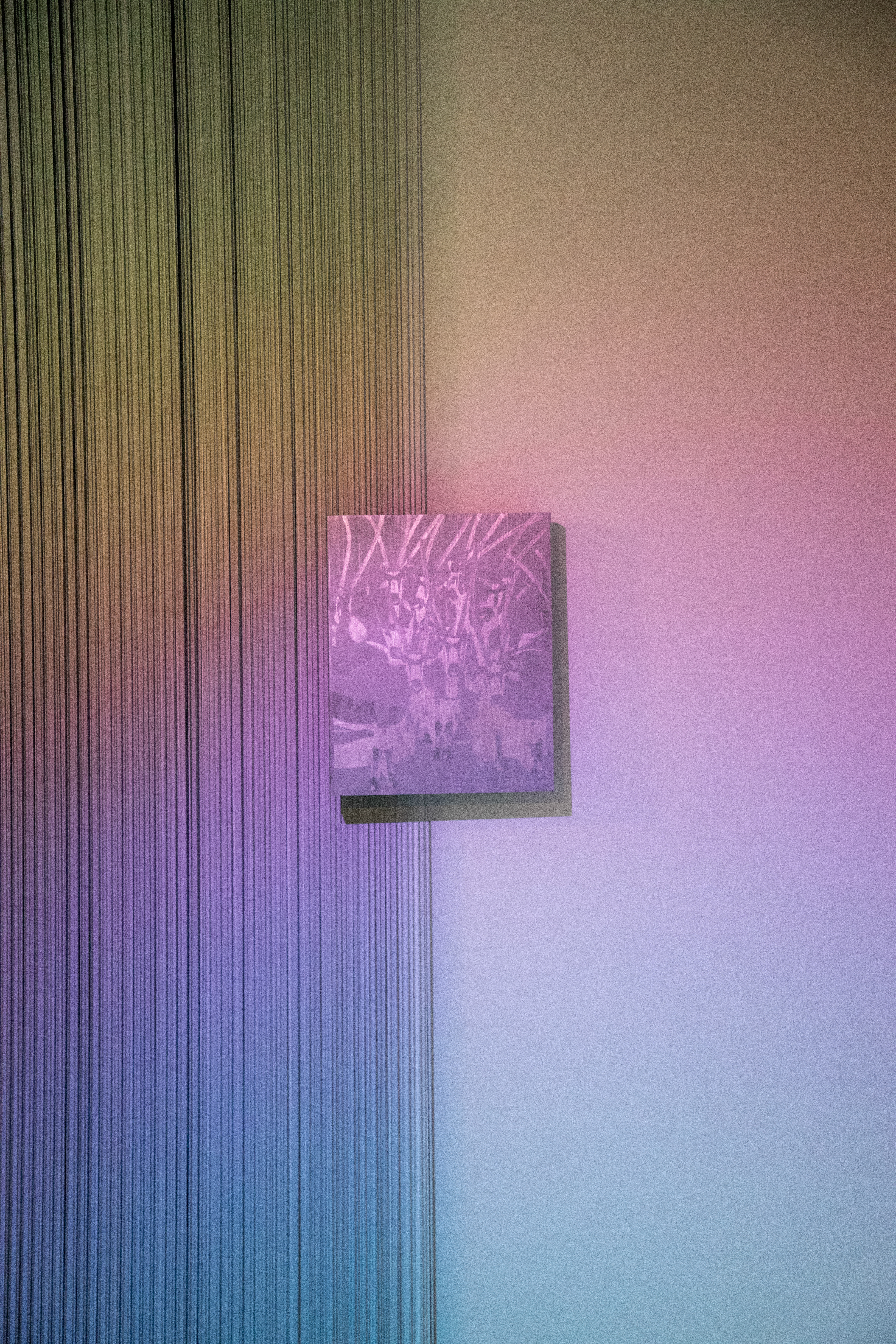
Fog Machine (i)
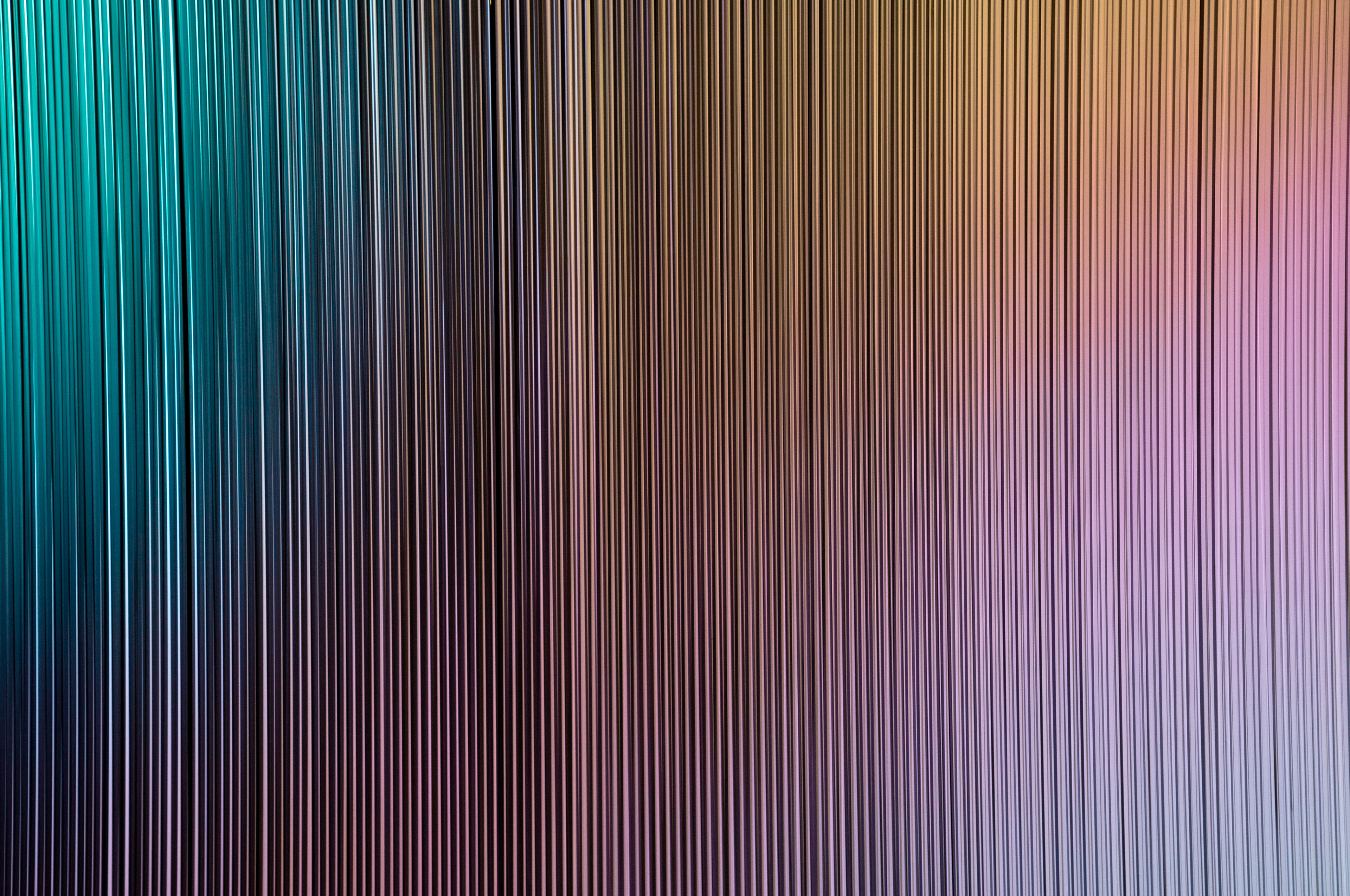
Fog Machine Installation Shot, VHS Tape, Light filter
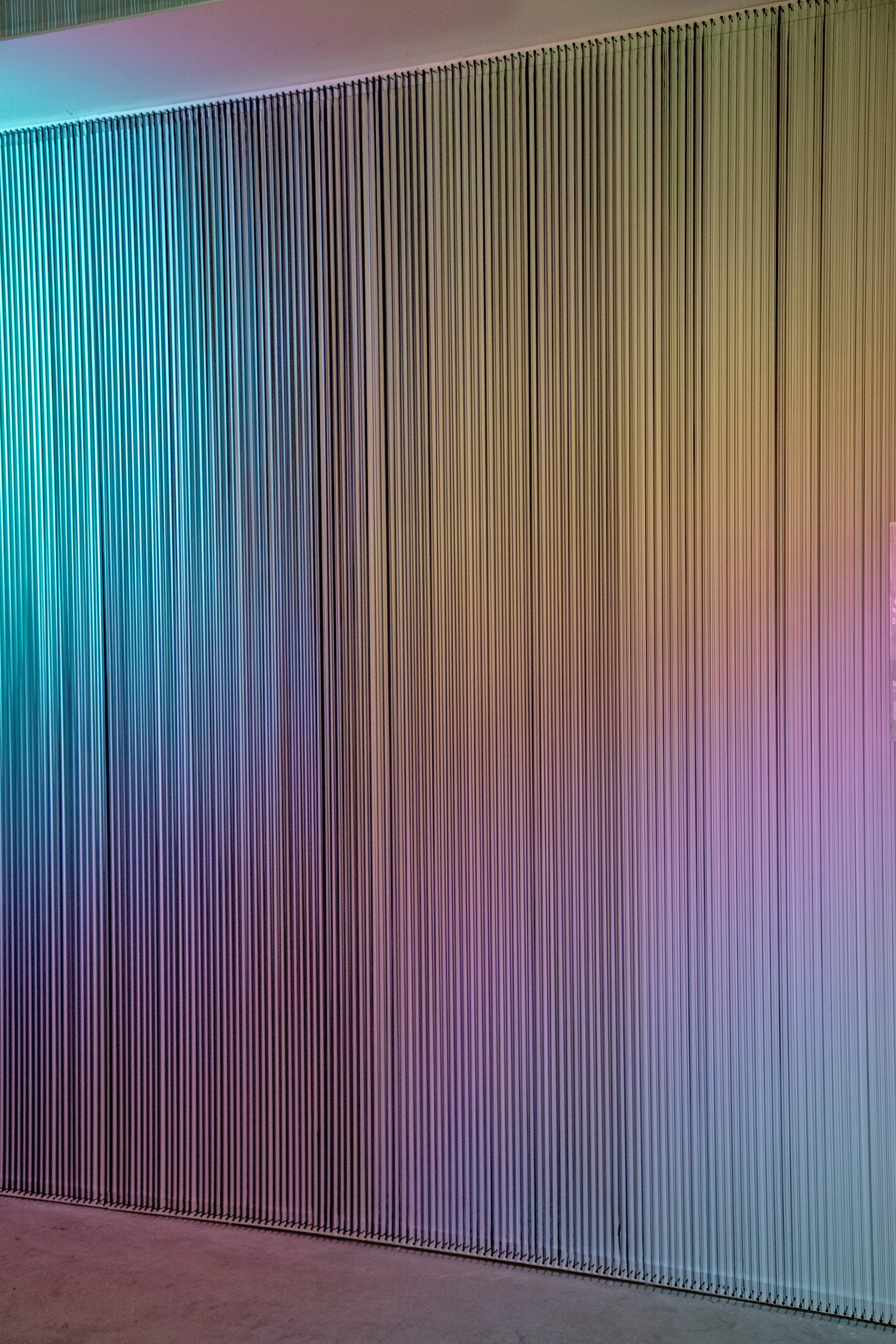
Fog Machine Installation Shot, VHS Tape, Light filter
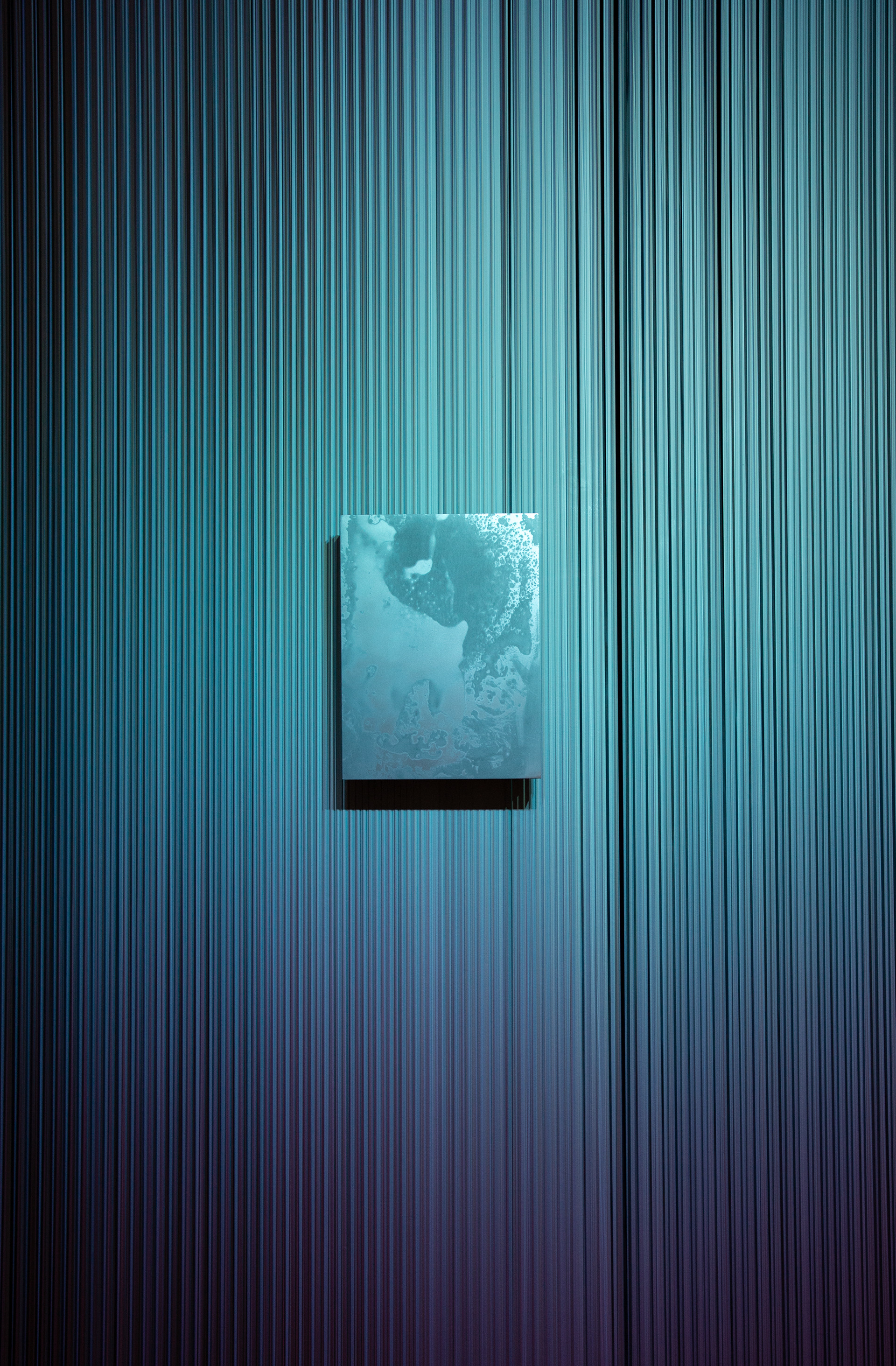
Fog Machine (ii) Installation Shot, VHS Tape, Light filter
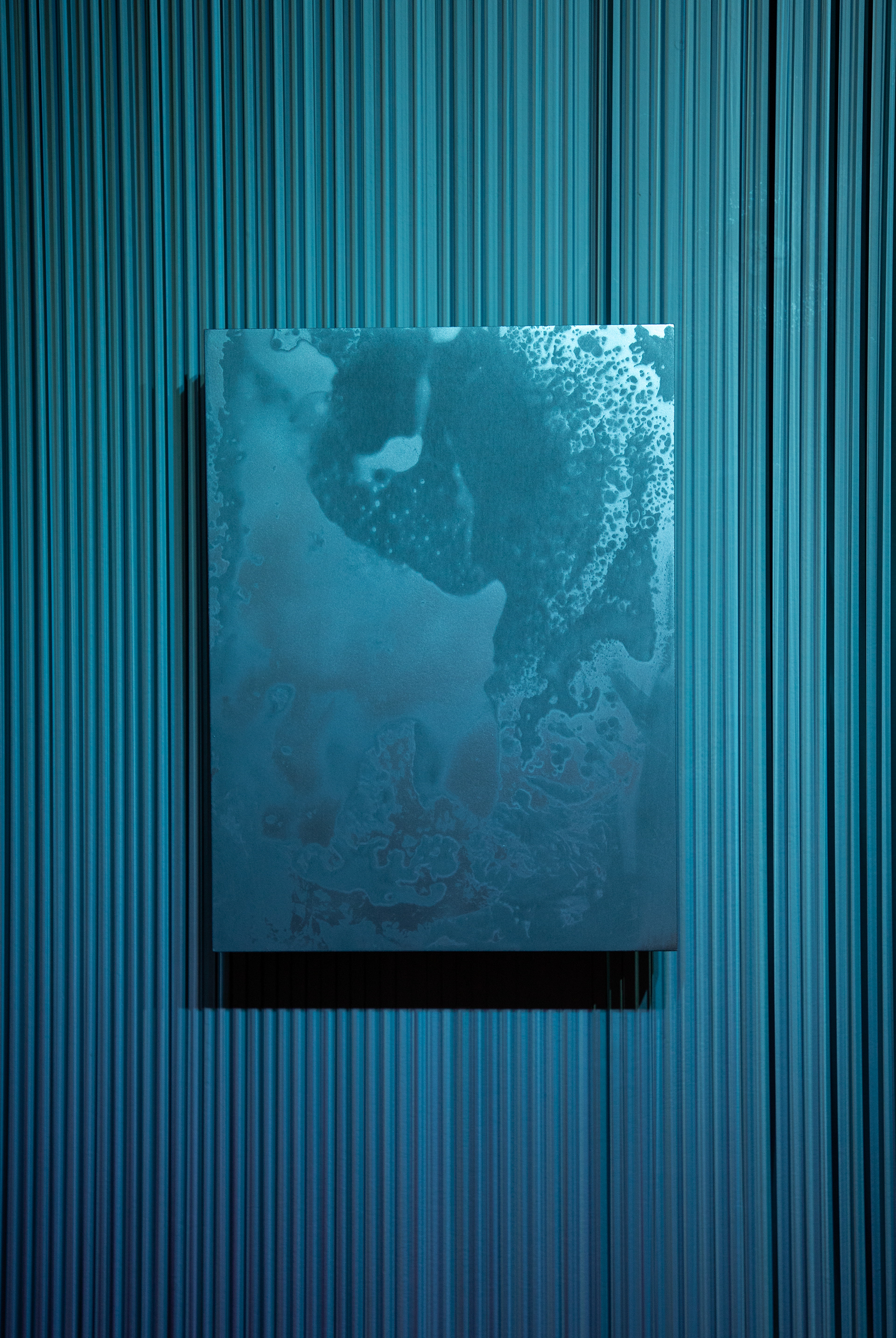
Fog Machine (ii) Installation Shot, VHS Tape, Light filter
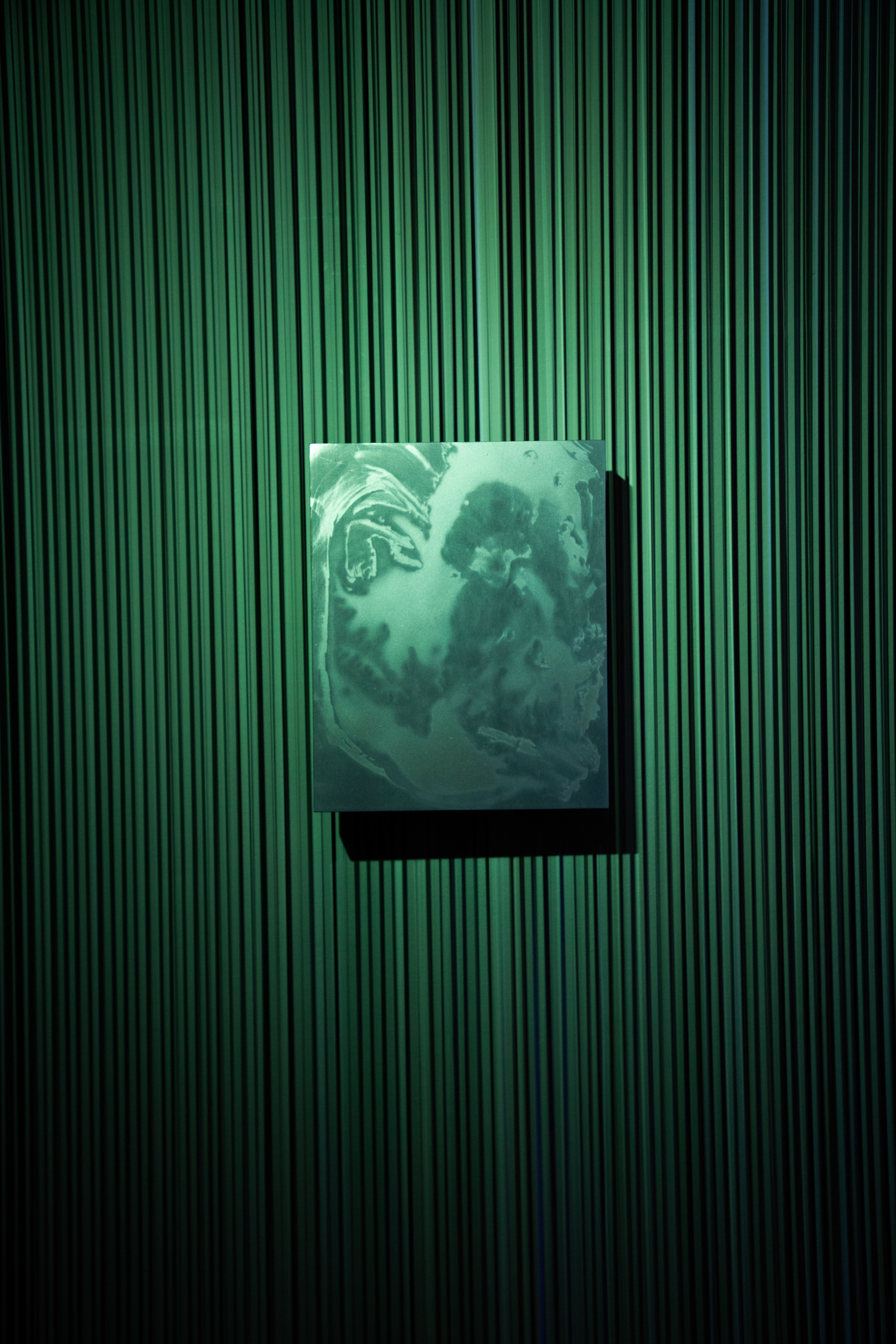
Fog Machine (iii) Installation Shot, VHS Tape, Light filter
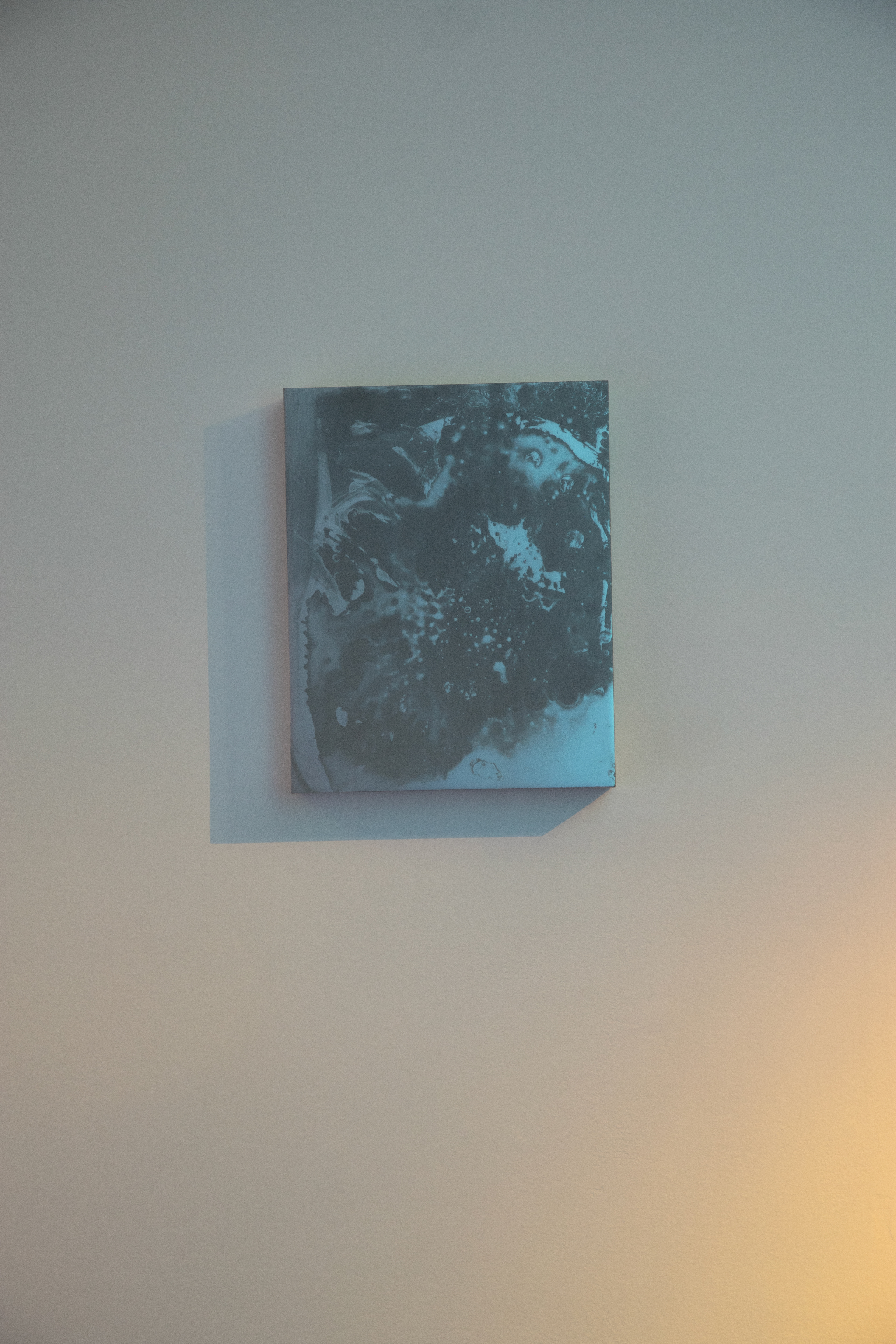
Fog Machine (IV) Installation Shot, VHS Tape, Light filter